Cooking Inspiration Tool: A Symptom-by-Symptom Diagnosis of Why Most Approaches Break Down
21 August 2026
Diagnose why your cooking inspiration tool isn't working. Explore symptom-by-symptom breakdowns and find smarter solutions to cut food waste. Read more.
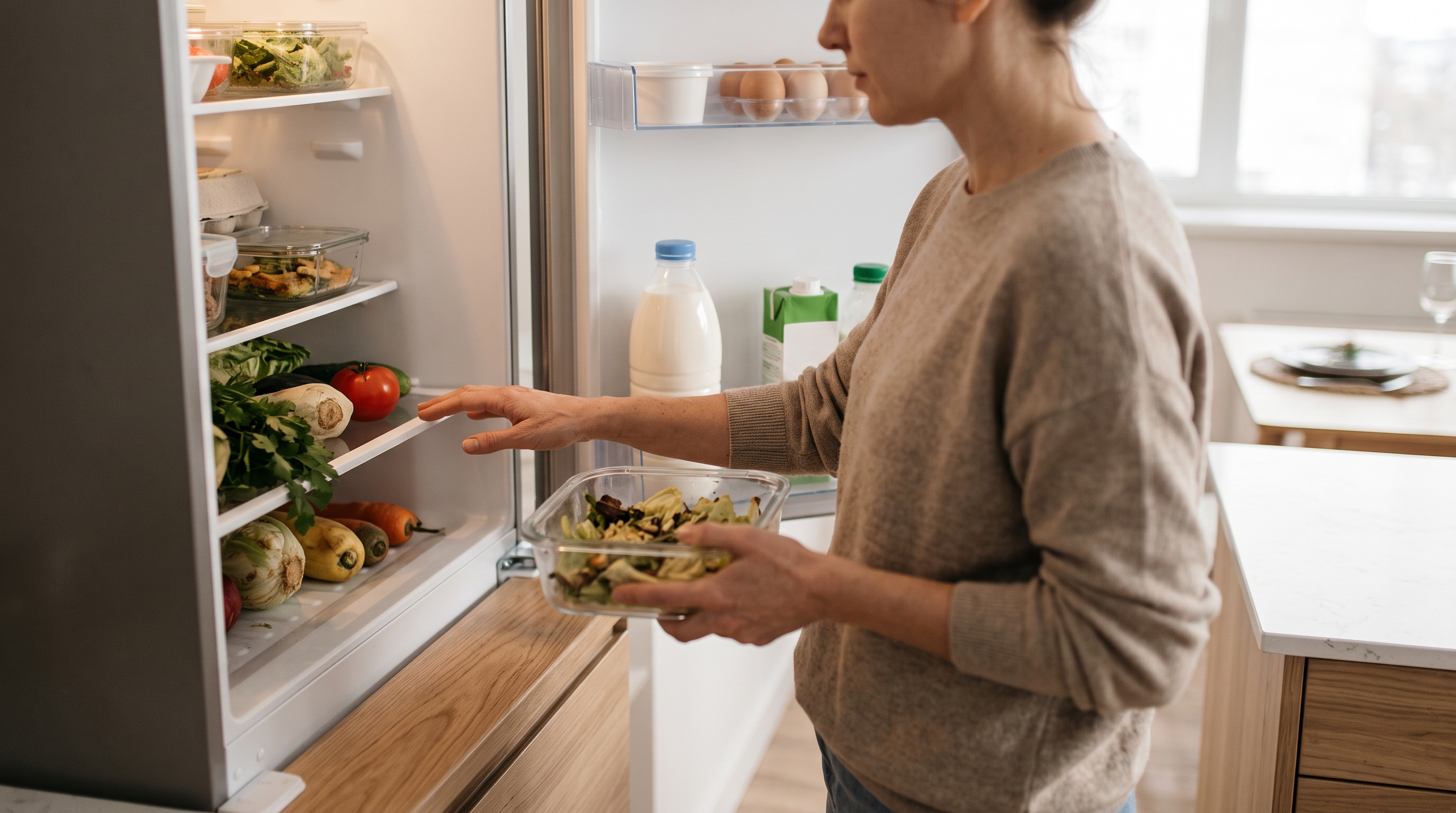
According to the Food and Agriculture Organization of the United Nations, roughly one-third of all food produced for human consumption is lost or wasted every year. For most households, that waste starts at a surprisingly mundane moment: standing in front of an open fridge, unable to decide what to cook. The gap between what you have and what you actually make is where food, money, and energy quietly disappear.
Table of Contents
- What a Cooking Inspiration Tool Is Actually Solving (and What It Is Not)
- Here Is Where Most Home Cooks Get This Wrong
- How Fridge Photo Analysis Changes the Starting Point
- What to Look For Before You Commit to Any Tool
Key Takeaways
| Point | Details |
|---|---|
| The real problem is decision fatigue | A cooking inspiration tool helps most when choosing what to cook is harder than cooking it. |
| Starting from the fridge changes outcomes | Tools that analyze what you have close the gap between inspiration and action. |
| Recipe volume is the wrong metric | A database of 500,000 recipes is useless if none match what is on your shelf tonight. |
| Personalization memory matters | A tool that forgets your household's dietary rules every session is a search engine with extra steps. |
| Photo input beats typed lists | Photographing your fridge captures an honest inventory; typing from memory captures an aspirational one. |
| Suggestion count shapes experience | One suggestion feels like a command; ten recreates overwhelm; three offers real choice without new decision fatigue. |
What a Cooking Inspiration Tool Is Actually Solving (and What It Is Not)
A cooking inspiration tool solves the gap between what is physically in your kitchen and what feels possible to cook tonight. That gap is narrower than most people expect, but it feels enormous at 6:30 PM when someone is already asking what is for dinner.
The symptom is familiar. You open the fridge. You stare. You close it. The root cause is not a lack of skill or recipes. It is decision fatigue compounded by real constraints: who is eating, what dietary rules apply, and what is actually on the shelf. A household where one person avoids gluten and the other eats less meat, with half a pepper, leftover rice, and a jar of miso, cannot benefit from a large recipe database when all the filtering has to happen in your head under time pressure.
That is the specific problem this category addresses. It narrows the world of possible meals to the ones that work right now, with what you have, for the people you are feeding.
What it is not: a cooking class, a grocery shopping planner, or a weekly meal prep scheduler. The core value proposition remains the same regardless of layered features. One condition where this changes: if your household runs on a strict weekly meal plan with a pre-purchased grocery list, the fridge-first approach will feel misaligned with how you already operate.
Here Is Where Most Home Cooks Get This Wrong
Most home cooks evaluate a cooking inspiration tool by the size of the recipe database behind it. That is the wrong measure. What actually determines usefulness is whether the tool starts from what you already have, not how many recipes it can theoretically surface.
A tool advertising 500,000 recipes feels more capable than one advertising 5,000. But feature counts tell you nothing useful when your fridge contains eggs, half a pepper, and yoghurt that might be expiring. The tool with half a million recipes may still suggest dishes requiring ingredients you do not own. According to FridgeAI's experience, the mismatch between large recipe databases and actual fridge contents is the most common reason people stop using a cooking inspiration tool within the first two weeks.
| Evaluation Criterion | What Most People Check | What Actually Matters |
|---|---|---|
| Recipe volume | Total recipes in database | Recipes matchable to current ingredients |
| Cuisine range | Number of cuisine categories | Ability to adapt suggestions to what is on hand |
| Input method | Typed ingredient list | Photo or scan that captures what you actually have |
| Output format | Single best match | Multiple options that respect constraints |
One condition where this changes: if you meal plan days in advance and shop to a list, catalogue breadth genuinely matters more than ingredient matching. But most people searching for cooking inspiration at 6 PM are not planning, and how a tool captures what you actually have matters far more than any other feature.
How Fridge Photo Analysis Changes the Starting Point
Fridge photo analysis removes the most tedious part of finding cooking inspiration: telling the tool what you have. Most people who try a tool requiring typed ingredient lists abandon it within a week. The friction is quiet but decisive.
You open the app when you are already tired and hungry. Typing "eggs, half a red pepper, some feta, that jar of something in the back" feels like homework. The perceived effort outweighs the benefit before you even get a suggestion. So you close the app and make pasta again.
A photo changes the equation. You snap a picture and let the tool figure out what is there. A half-used block of tofu, some wilting spinach, a jar of smoked paprika you forgot you bought. That is a more honest inventory than anything you would type from memory. Typed lists are aspirational. Photos are real.
The photo-first approach used by FridgeAI relies on image recognition to identify what is visible, then generates three recipe suggestions based on what it actually sees. Photos are processed for ingredient identification and then discarded. They are not stored. One condition where this changes: if your fridge is deeply stacked or items are hidden behind containers, photo analysis may miss ingredients, and a quick manual addition still helps. Households with very sparse fridges may also find that a brief manual supplement fills gaps the image cannot capture.
What to Look For Before You Commit to Any Tool
The single most useful filter is whether a tool starts from what you already have or asks you to build a meal from scratch. That distinction separates tools that reduce decision fatigue from tools that just relocate it.
Before you compare any two options, run through these friction questions:
- Input method. Does the tool let you photograph your fridge, or does it require you to type every ingredient manually? Typed lists add work. Photo-based recognition removes it.
- Suggestion count. One suggestion feels like a command. Ten suggestions recreate the same overwhelm you opened the app to escape. Three is enough range to feel like a choice without becoming a new decision problem.
- Personalization memory. Does the tool remember that your partner is lactose intolerant, or do you re-enter that every session? A tool without persistent dietary memory is a recipe search engine with extra steps.
- Trial access and data cost. Some tools offer a trial period with no payment required. Free tools often fund their service through user data, meaning the ingredient lists and dietary details you enter may be used to train models or serve advertising.
A household where one person is vegetarian, one avoids gluten, and the kids reject anything green must re-explain its constraints every session if the tool lacks persistent memory. That is adding friction rather than removing it. According to FridgeAI's experience, households with three or more distinct dietary constraints are the group most likely to abandon a cooking inspiration tool that lacks persistent memory. One condition where this changes: if you cook solo with no dietary constraints, personalization memory matters far less than input speed.
Summary
The real problem a cooking inspiration tool solves is not a lack of recipes. It is the nightly gap between what sits in your fridge and what feels worth cooking. The tools that actually help start from what you already have, remember your household's dietary rules, and offer a few focused options rather than a catalogue. FridgeAI offers a 10-day free trial with no credit card required if you want to test whether the approach fits your kitchen.
Most people abandon a cooking inspiration tool not because it gave bad recipes, but because it asked them to type in every ingredient before offering a single idea. If that friction sounds familiar, a photo-first tool is worth testing before you write off the category entirely.
Frequently Asked Questions
What should I know about a cooking inspiration tool before trying one?
Most tools suggest recipes from a fixed database rather than adapting to what you actually have. A cooking inspiration tool that starts from your fridge contents reduces decision fatigue far more effectively than one that hands you a searchable catalog. Look for whether it learns your preferences over time and handles multiple household members with different dietary needs without requiring you to re-enter information each session.
How do I get started with a cooking inspiration tool?
Use it for three consecutive dinners before judging whether it fits your routine. A single test meal tells you almost nothing about how well a tool handles repetition, variety, and leftover ingredients. Some tools offer a short free trial with no credit card required, covering photo-based fridge scanning, conversational recipe tweaking, and shared kitchen access. If the tool still feels like extra work by the third session, the friction is structural, not a learning curve.
What is the best approach to using a cooking inspiration tool?
Treat it as a conversation partner, not a search engine. Start with what you have, review the suggestions, then tweak one based on your mood or energy level. One condition where this changes: if you meal-plan a full week in advance, a tool built around real-time fridge contents will feel misaligned with how you already operate.
Are free cooking inspiration tools worth using?
Free tools often fund their service through user data, meaning the ingredient lists and dietary details you enter may be used to train models or serve advertising. If a free tool gets you cooking more varied meals with less stress, it has genuine value. But if you want persistent memory, household-level personalization, and privacy around what your family eats, a paid subscription typically delivers features that free tiers cannot offer without compromising the data model that funds them.
How does a cooking inspiration tool handle dietary requirements and household preferences?
The best tools store your household's dietary rules persistently so you never have to re-explain them. Based on FridgeAI's experience, the absence of persistent dietary memory is the most common reason households with complex constraints stop using a cooking inspiration tool after the first week. One condition where this changes: very rare or highly specific medical diets may still require manual review, since edge-case restrictions can fall outside what any automated system reliably catches.