App for Meal Planning What Is in Your Cabinets: A Symptom-First Diagnosis of Why Most Approaches Break Down
13 August 2026
Discover why most approaches to an app for meal planning what is in your cabinets break down, and how to fix the gaps. Stop wasting food and start cooking
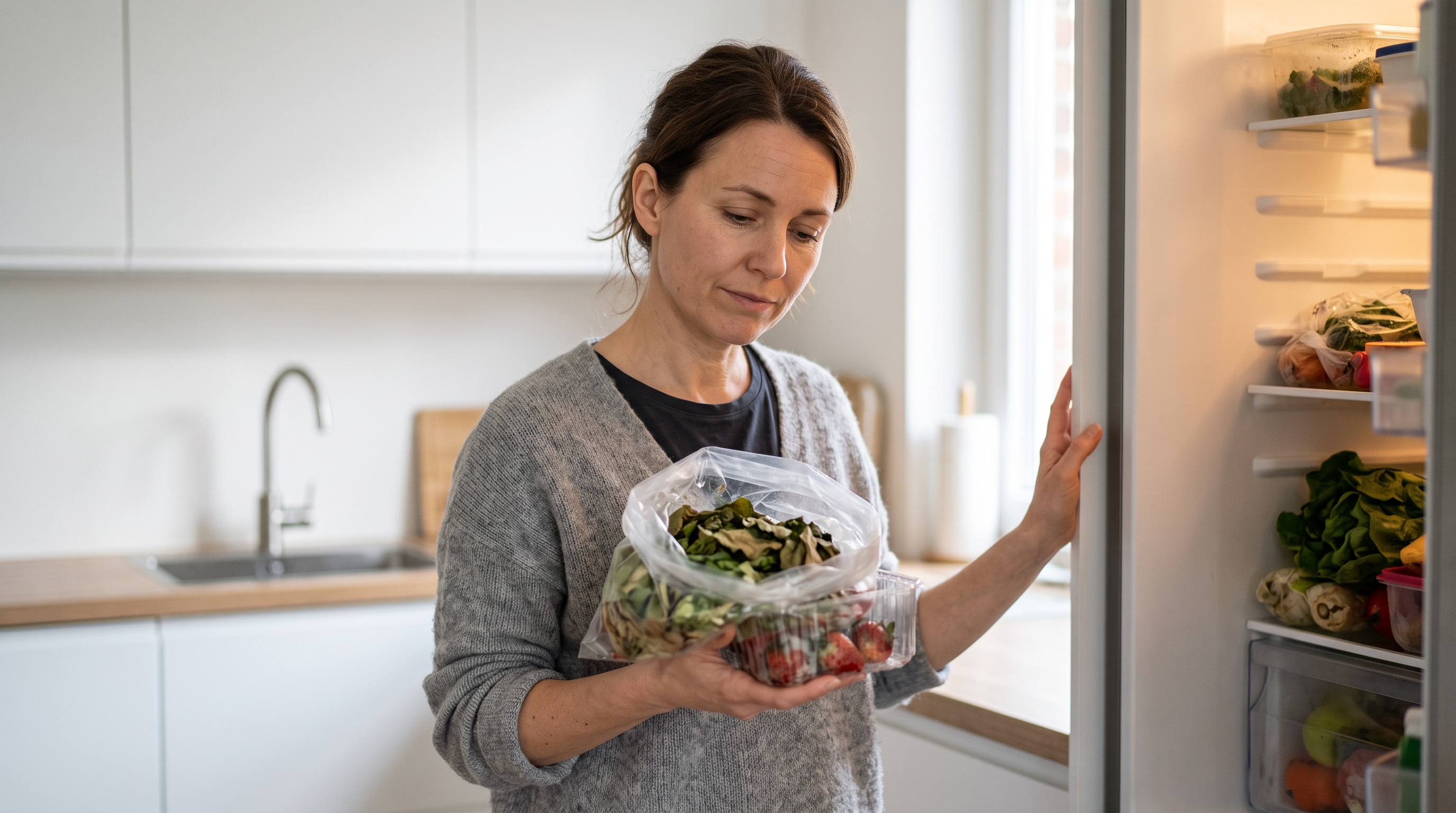
According to ReFED, the average U.S. household wastes roughly $1,500 worth of food per year, mostly ingredients bought with real intentions, stored optimistically, and forgotten before they became dinner. The problem is not laziness. It is the gap between knowing what you have and knowing what to do with it.
Table of Contents
- Here Is Where Most Home Cooks Get This Wrong
- The Three Friction Points That Break Cabinet-Aware Meal Planning
- What to Look for When Choosing an App That Reads What You Have
Key Takeaways
| Point | Details |
|---|---|
| Photo input beats typed lists | Fridge photos remove manual entry, the step that causes most people to abandon inventory tools within days. |
| Pantry context matters equally | A photo alone misses olive oil, soy sauce, and smoked paprika that make recipes actually cookable. |
| Manual entry has a short shelf life | Most people type ingredients once and never update the list, making suggestions stale within days. |
| Dietary rules need to persist | An app that forgets your household's dietary constraints forces you to re-explain them every session. |
| Privacy terms deserve scrutiny | Free tools often fund themselves through user data, so ingredient lists and dietary details may train models or serve advertising. |
Quick Answer: What This Kind of App Actually Does
An app for meal planning based on what is in your cabinets takes your current ingredients as the starting point for recipe suggestions, rather than asking you to plan ahead or shop to a list. It is the difference between "what should I buy this week" and "what can I make right now." There are two main ways these tools figure out what you have:
- Typed ingredient lists. You manually enter each item. This works, but most people abandon the process after a few uses because cataloging every jar and half-used bag of rice feels like homework.
- Photo-based analysis. You snap a picture of your fridge or shelves, and AI identifies what it sees. This approach has noticeably lower drop-off because it removes tedious data entry.
FridgeAI uses the second approach. It processes fridge photos through the Claude API to identify ingredients, then cross-references what it sees with pantry staples the app tracks over time. Your photo is discarded immediately after analysis. One condition where this changes: if your cabinets hold mostly dry goods in opaque containers, photo recognition alone will not catch everything. That is why persistent pantry tracking matters alongside the camera. The practical result is recipe suggestions built from what you actually have, not what a meal plan assumes you bought on Sunday.
Here Is Where Most Home Cooks Get This Wrong
Ingredient visibility, not recipe volume, is the real bottleneck. Most households already have enough food for three or four meals at any given time. They just cannot reliably see what they own or connect it to something cookable.
The symptom is familiar: you open the fridge, stare, close it, open it again. The root cause is not a lack of cooking skill. It is that your mental inventory of what you actually have is unreliable. You forgot the miso in the back corner. You bought canned tomatoes last week but cannot remember if you used them. Decision fatigue sets in not because the options are bad, but because you cannot see them clearly.
Consider a household where two people cook on alternating nights. Neither has a reliable picture of what the other used, what is running low, or what is about to expire. Each cook starts from a partial mental inventory, makes a conservative guess, and either orders takeout or buys duplicates. The food already in the cabinet goes untouched. This is a visibility failure, and it is exactly the problem a cabinet-aware app is designed to solve.
The Three Friction Points That Break Cabinet-Aware Meal Planning
Cabinet-aware meal planning breaks down at three predictable points. Understanding which one affects your kitchen tells you what kind of tool will actually help.
1. Manual entry fatigue
- Symptom: You open the app once, type in twelve ingredients, and never update it again.
- Root cause: Typing out every item is slower than just opening the fridge and staring. The tool creates more friction than the problem it solves.
- Fix: Photo-based input that handles inventory automatically. FridgeAI uses the Claude API to analyze a fridge photo and identify ingredients without any typing.
2. Pantry blindness
- Symptom: Every suggested recipe needs one thing you do not have.
- Root cause: The app only sees what is in the photo. It has no idea you keep olive oil, smoked paprika, or dried pasta in the cupboard.
- Fix: A persistent pantry layer that tracks recurring staples so suggestions account for everything you own. One condition where this changes: if you rarely keep staples stocked, a pantry layer adds maintenance without much payoff.
3. Household mismatch
- Symptom: The app suggests a beautiful pasta dish. Your partner is gluten-free.
- Root cause: No memory of your household's dietary rules or constraints. Every session starts from zero.
- Fix: A dietary profile that persists across every session. FridgeAI remembers household rules so you never have to re-explain them.
Most people experience all three. Once you can name the friction points breaking your current approach, you are ready to evaluate which app features will actually solve them.
What to Look for When Choosing an App That Reads What You Have
How an app discovers what you own matters far more than how many recipes it holds. Three input methods dominate the category, and each suits a different habit:
- Photo-based analysis works best when you want speed and low effort. You snap your fridge or shelf, and the AI identifies what it sees. Processing the image and then discarding the photo entirely is the approach that best protects user privacy while still delivering accurate results.
- Typed ingredient lists give you precision but demand patience. Most people do this once, then stop updating. Typed lists start sharp and go stale fast.
- Barcode scanning tracks packaged goods well but misses produce, leftovers, and anything transferred to a container. One condition where this changes: if your household cooks almost exclusively from packaged ingredients, barcode scanning may outperform photo analysis for accuracy.
Before entering your household's dietary details into any tool, check how that data is used. Free tools often fund their service through user data, meaning ingredient lists and dietary constraints you enter may train models or serve advertising. That tradeoff is worth understanding before you type "no dairy, no tree nuts" into a free app. A practical way to test whether a fridge-aware app changes your cooking is to look for a trial period with no credit card required.
Summary
The real breakdown is never about recipes. It is about the gap between what sits in your cabinets and the mental effort of turning that into dinner. Three friction points drive most failures: invisible inventory, decision fatigue at the worst moment, and dietary rules that need re-explaining every time. A photo-based tool that reads your fridge and suggests meals from what you already own is the lowest-commitment way to test whether closing that gap changes anything. Our fridge photo analysis pillar post explains the technical layer behind that process.
A meal plan built from what you already own, not from a grocery list you have to shop for first. That is the promise of any app for meal planning based on what is in your cabinets. FridgeAI offers a free trial with no credit card required, so you can test whether photo-based meal planning reduces your nightly decision fatigue before committing to anything.
Frequently Asked Questions
What does an app for meal planning based on what is in your cabinets actually do?
It looks at the ingredients you already own and suggests meals you can make tonight. The better versions use photo recognition rather than manual entry, which matters because nobody wants to type "half a jar of tahini" into a search bar at 6 PM. Tools that also remember your household's dietary rules produce noticeably more useful suggestions over time. The tradeoff is that persistent memory requires you to trust the tool with ongoing household data, so checking the privacy policy before committing is worth the two minutes it takes.
How is photo-based ingredient detection different from typing in what I have?
Photo detection captures what you actually see, including items you would forget to type. Manual entry relies on you remembering every jar, condiment, and leftover container, which most people do not do accurately. For a typical stocked fridge, a photo catches the smoked paprika you overlooked.
What happens to my fridge photos after the app analyzes them?
With FridgeAI, your photos are sent to the Claude AI API for ingredient identification and then discarded immediately. They are never stored, sold, or reused. Many free tools fund themselves through user data, meaning your ingredient lists and dietary details may train models or serve advertising. A privacy-first approach means the photo exists only long enough to do its job. One condition where this changes: if a tool offers cloud-based recipe history tied to past photos, it almost certainly retains image data, so read the terms before enabling that feature.
Can one subscription cover a whole household, or does each person need their own account?
One Kitchen subscription covers your whole household. You invite a partner or housemate as a co-chef, and you share the same pantry data, cooking history, and dietary preferences. No separate accounts are needed. This prevents the "what did you use the chicken for" conversation when two people cook on alternating nights.
How do I get started with an app that plans meals from what I already have?
Open your fridge, take a photo, and review recipe suggestions built from what the camera sees. FridgeAI requires no app store download and installs directly from your browser as a web app. The free trial needs no credit card, so you can test whether photo-based meal planning reduces your nightly decision fatigue before committing.