Ways to Reduce Food Waste: A Tradeoffs-First Look at What Actually Works at Home
21 June 2026 · Updated 11 August 2026
Explore honest tradeoffs in ways to reduce food waste at home. Skip the myths and find practical strategies that actually work. Read the full breakdown.
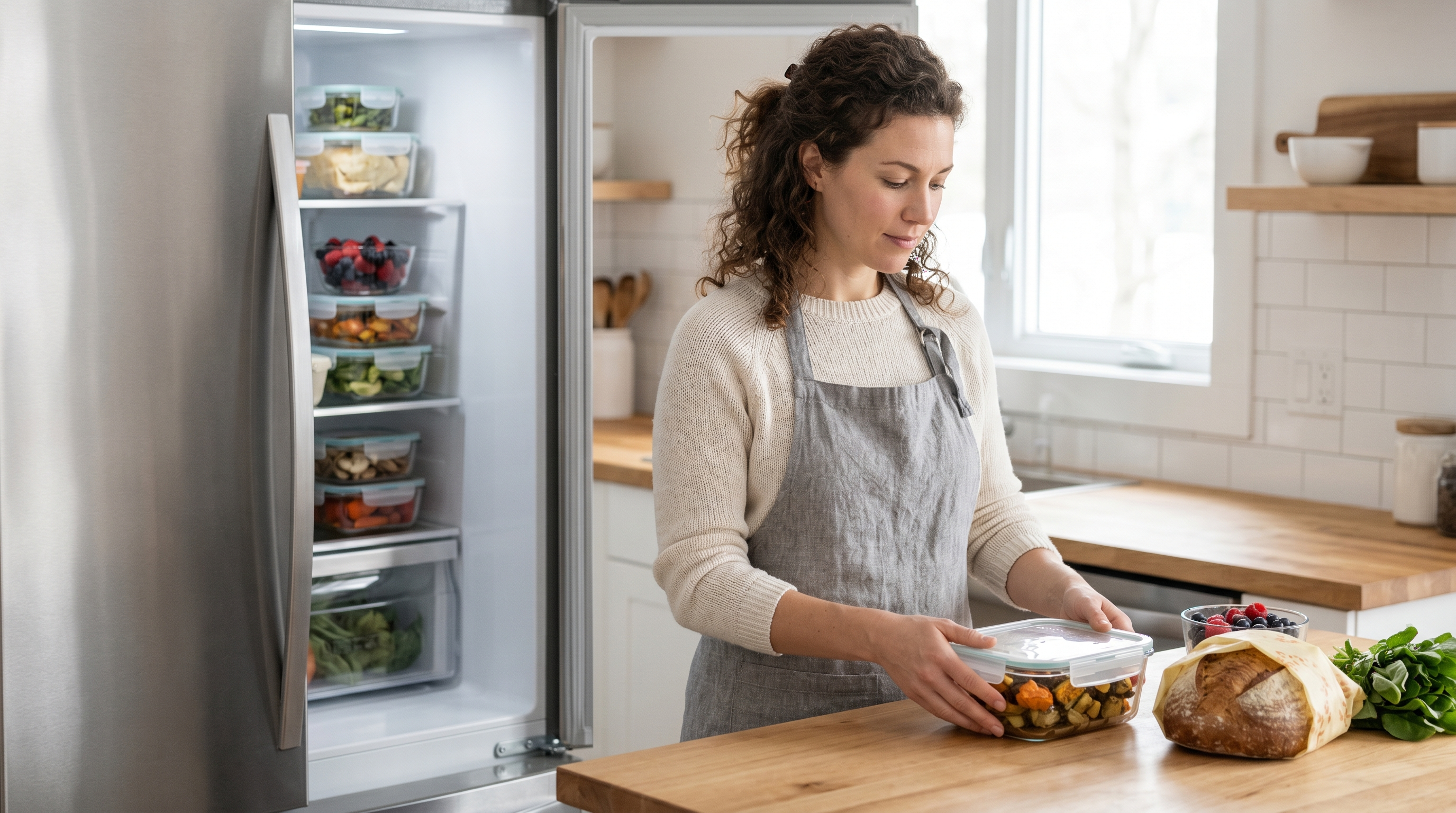
According to the UN Environment Programme Food Waste Index Report, households generate more food waste than retail and food service combined. Roughly one third of all food produced globally is lost or wasted, and most of that loss happens in home kitchens. Not in warehouses. Not in restaurants. In yours.
Table of Contents
- Where Most Households Get This Wrong: The Myth of the Shopping Fix
- Approach Comparison: Which Waste-Reduction Strategies Actually Deliver?
- From Leftovers to New Meals: How Recipe Inspiration Closes the Loop
- Summary
- Frequently Asked Questions
Key Takeaways
| Point | Details |
|---|---|
| Waste happens at home, not in supply chains | Households generate more food waste than retail and food service combined (UN Environment Programme). |
| Shopping less is not the same as wasting less | Buying fewer items only helps if you know what you already have. |
| Visibility beats willpower | Households that can see and track what is in their fridge waste measurably less than those relying on memory alone. |
| Meal planning from existing ingredients outperforms shopping-list-first planning | It addresses the food you already bought rather than adding more to the problem. |
| Proper storage extends usable life | Correct storage can add days or weeks before spoilage, depending on the item. |
| Technology closes the gap between intention and action | Tools that scan your fridge and suggest recipes reduce the decision fatigue that leads to takeout and waste. |
| Leftovers need a second identity | Treating leftovers as ingredients for a new meal is one of the highest-leverage habits available. |
The three behaviors that actually move the needle on household food waste are knowing what you already have, cooking from it before buying more, and turning ingredients near their expiry into planned meals. Everything else is a refinement of one of those three. Most advice online treats all approaches as equally useful. They are not. Here is how the most common strategies compare when you weigh effort against real impact:
| Approach | Effort to Start | Ongoing Friction | Waste Reduction Impact |
|---|---|---|---|
| Shopping lists | Low | Medium (requires discipline) | Moderate |
| Weekly meal planning | Medium | High (rigid, breaks easily) | High when sustained |
| Better food storage | Low | Low | Moderate |
| Fridge inventory tracking | Medium | Medium | High |
| Recipe tools that use what you have | Low | Low | High |
One condition where this changes: if your household already shops infrequently and cooks most nights, storage improvements alone can outperform planning tools because your bottleneck is spoilage, not overbuying. The highest-impact strategies share a trait: they close the gap between what is in your kitchen right now and what you decide to cook tonight. Rigid weekly meal plans try to do this but collapse under real life.
Where Most Households Get This Wrong: The Myth of the Shopping Fix
Most household food waste occurs not at the point of purchase but at the point of cooking decisions, where people cannot easily see what they have or know what to make with it. The shopping list addresses the front end of the problem and ignores the back end entirely.
Think about what actually spoils in your kitchen. It is rarely the items you planned for. It is the half-used jar of miso, the wilting spinach you forgot was there, the smoked paprika you bought twice because no one checked. The waste happens in the gap between owning food and knowing what to do with it.
| Approach | What it solves | What it misses |
|---|---|---|
| Better shopping lists | Overbuying at the store | Food already at home going unused |
| Fridge and pantry awareness | Visibility into what you own right now | Does not prevent impulse purchases |
| Cook-from-what-you-have habit | Connects existing ingredients to meals | Requires knowing what combinations actually work |
The corrective is not more discipline at the supermarket. It is a reliable picture of what you already own, paired with the ability to turn that picture into dinner. One condition where this changes: households that eat mostly pre-packaged or frozen meals rarely waste ingredients, because the unit of consumption matches the unit of purchase. Once you accept that the problem lives inside the kitchen, the next question is which strategies actually deliver results worth the effort.
Approach Comparison: Which Waste-Reduction Strategies Actually Deliver?
No single habit eliminates food waste on its own. The households that waste the least combine two or three approaches that reinforce each other. The table below compares five common strategies across the criteria that actually matter at home.
| Strategy | Effort to maintain | Impact on waste | Solves "what do I cook?" |
|---|---|---|---|
| Shopping lists and meal planning | Medium | High | Yes, but only if you follow the plan |
| Proper food storage (containers, ethylene separation) | Low once learned | Medium | No |
| FIFO pantry organization (first in, first out) | Low | Medium | No |
| Manual fridge inventory tracking | High | Low in practice | Partially |
| AI recipe generation from fridge contents | Low (photo-based) | High | Yes |
Manual inventory tracking sounds logical but collapses under real life. Typing every item into a spreadsheet requires discipline that most households sustain for about a week before switching to automated alternatives. One condition where this changes: single-person households with small, predictable fridges sometimes maintain manual logs effectively because the cognitive load stays low.
Storage techniques matter, but they only delay spoilage. They do not answer the question that causes most waste: "I have these ingredients and no idea what to make." That gap is where ingredient-first recipe tools earn their place. A photo-based approach drops the friction considerably compared to typed lists.
From Leftovers to New Meals: How Recipe Inspiration Closes the Loop
Most household food waste happens at the decision point: standing in front of the fridge on a tired Tuesday, unable to bridge the gap between "I have food" and "I know what to cook." A significant share of that waste traces back to ingredients that were available but never used, because no clear path from ingredient to meal existed when it mattered.
Picture this: you have half a block of tofu, some wilting kale, a lemon, and leftover rice. All perfectly edible. Without a recipe anchored to those specific ingredients, the default is ordering takeaway. The tofu goes in the bin by Thursday. The problem is never the food itself. It is the missing bridge between what you have and what you can make tonight.
Ingredient-first recipe tools change that math directly. A tool that analyzes a photo of your fridge and surfaces three concrete recipes based on what it actually sees starts from your reality rather than from an idealized shopping list. That specificity is what makes the suggestion actionable rather than aspirational.
What makes this practical over time is the pantry layer. Staples like olive oil, soy sauce, and spices are tracked as you cook, so suggestions account for what is already on hand. One condition where this changes: if your pantry data is outdated, suggestions may overestimate what you have, producing recipes you cannot complete without a store run.
The broader habit framework behind reducing food waste at home matters just as much as any single tool. Technology closes the decision gap. Habits keep it closed.
Summary
No single habit eliminates food waste. Knowing what you have, storing it correctly, and cooking from it with real recipe ideas gets most households most of the way there. Shopping smarter helps, but it falls short without inventory awareness at home. The right tool can shift the balance between time and attention considerably. The full habit-first framework is worth exploring if you want to go deeper than any single strategy.
FridgeAI's free trial lets you test whether fridge-first cooking changes the nightly decision. Start with a photo of your fridge and see what three meals it surfaces before you reach for the takeout menu.
Frequently Asked Questions
What are the most effective ways to reduce food waste at home?
Cooking from what you already have, rather than shopping for specific recipes, eliminates the largest source of household food waste. Proper storage extends ingredient life, and visible pantry organization reduces forgotten purchases. The highest-leverage change is making decisions before ingredients expire, which means looking at your fridge with intent. The households that reduce waste most consistently are those that close the gap between what they own and what they plan to cook. Technology that suggests meals from current inventory shortens that gap in the moment it matters most.
What is the 2-2-2 rule for food?
The 2-2-2 rule is a leftover safety guideline: store leftovers within 2 hours of cooking, keep them in the fridge for no more than 2 days, and reheat for at least 2 minutes at a safe temperature. One condition where this changes: soups and stews often stay safe for 3 to 4 days refrigerated, so the rule is conservative for liquid-heavy dishes. Treat it as a floor for caution rather than a ceiling on usable life.
Does meal planning actually reduce food waste, or does it just shift the problem?
Rigid meal planning reduces waste from impulse buying but often creates new waste when plans change mid-week. A flexible approach works better: plan loosely around perishable ingredients, then adapt as the week unfolds. Tools that suggest meals based on what is already in your fridge handle this naturally, because the plan follows the food rather than the other way around. Users who plan from existing inventory rather than a fixed weekly menu sustain the habit longer and discard less.
How can an AI recipe generator help reduce food waste?
An AI recipe generator closes the gap between "what do I have" and "what can I make" faster than browsing recipe sites. A tool that analyzes a fridge photo and surfaces recipes from what it actually sees starts from your reality, not from an idealized pantry. Generic recipe search starts from a dish and works backward to a shopping list, which is the opposite of waste reduction. One condition where this changes: if your fridge holds very few ingredients, a pantry-tracking layer becomes essential for consistently useful results.
What are 5 practical ways to reduce food waste starting this week?
Move older items to the front of your fridge today, then cook your most perishable ingredients first. Freeze bread, herbs, and overripe fruit before they spoil. Use wilting vegetables in soups or stir-fries rather than discarding them. Photograph your fridge before shopping so you stop buying duplicates. Finally, treat leftovers as raw ingredients for tomorrow's meal rather than a lesser version of tonight's. None of these require entirely new habits so much as slightly reordering existing ones, and small shifts compound meaningfully over weeks.