Kitchen Inventory Management: A Diagnostic Playbook for Knowing What You Have, What You Need, and What to Cook Next
2 May 2026 · Updated 6 May 2026
Stop wasting food and money. Use this diagnostic playbook for kitchen inventory management to track what you have, what you need, and what to cook next.
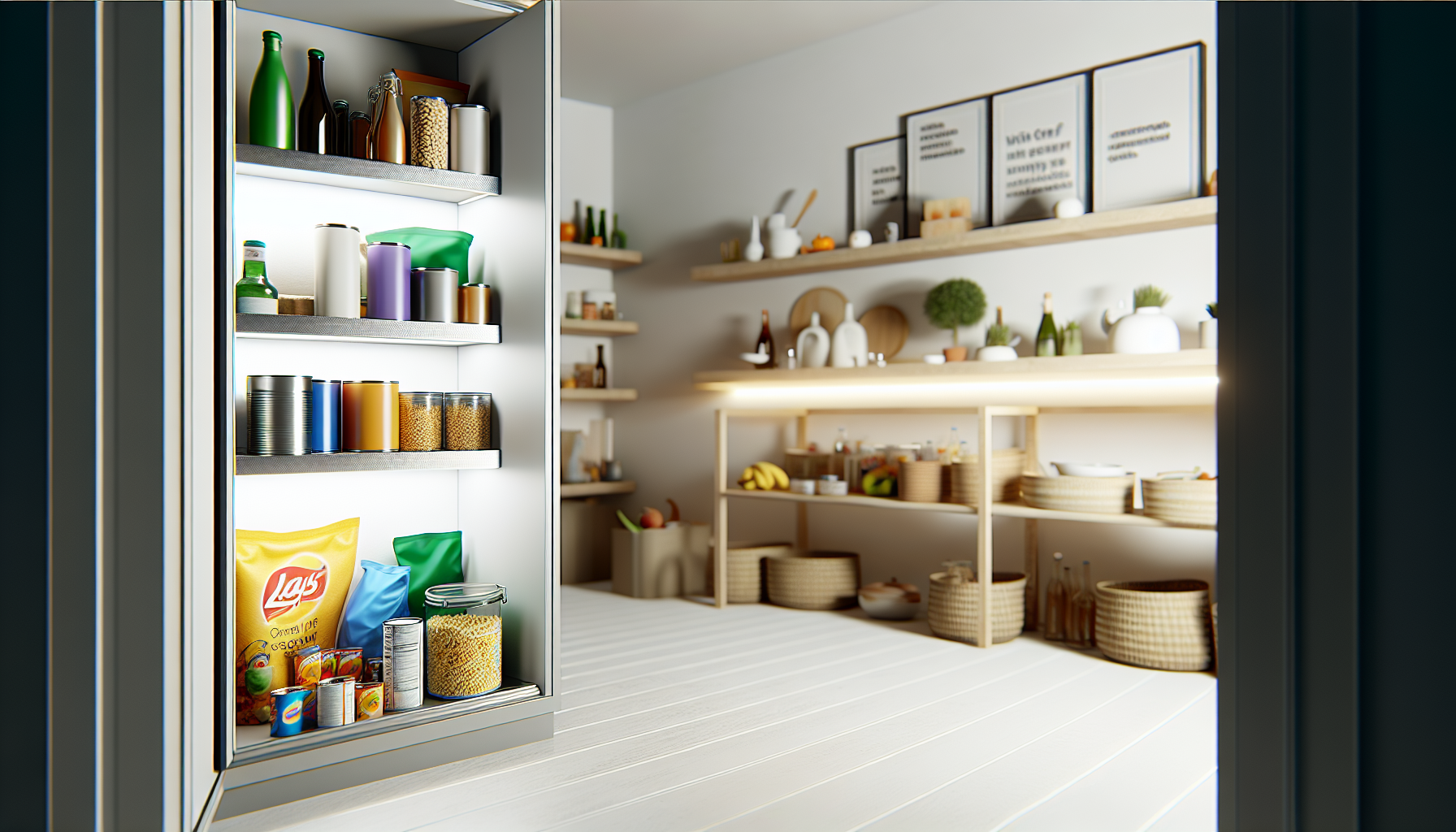
Kitchen Inventory Management: A Diagnostic Playbook for Knowing What You Have, What You Need, and What to Cook Next
Households generate an estimated 631 million tonnes of food waste globally each year, and research consistently links a significant share of that waste to poor inventory awareness at home, not to shopping habits or cooking skill. You buy duplicates because you forgot what was already on the shelf. A jar of tahini expires in the back of a deep cupboard because nobody could see it. The problem is rarely about cooking skill or even shopping habits. It is about not knowing what you actually have.
Table of Contents
- What Kitchen Inventory Management Actually Means (and Why It Keeps Failing)
- The Shelf-to-Signal Framework: Diagnosing Where Your Pantry Breaks Down
- How to Organise Your Pantry Effectively Using Category Zones
- Deep Shelves, Small Pantries, No Containers: Organising for the Kitchen You Actually Have
- Manual Tracking vs App-Based Tools vs Intelligent Kitchen Stock Monitoring
- Smart Habits for Tracking Pantry Essentials Without Adding Another Chore
- How AI Tracks Your Pantry for Meal Planning: From Photo to Recipe
- A Readiness Checklist: Is Your Kitchen Inventory System Working or Just Tidy?
Key Takeaways
| Point | Details |
|---|---|
| Visibility is the real problem | Most kitchen waste starts from losing track of what you already have, not buying wrong. |
| Zones beat aesthetics | Organising your pantry by category zones outperforms colour-coded containers for daily cooking. |
| Manual lists plateau quickly | Handwritten inventories rarely survive the friction of shared households and daily restocking. |
| Intelligent monitoring closes the loop | AI tools can track stock, flag gaps, and connect inventory directly to recipe suggestions. |
What Kitchen Inventory Management Actually Means (and Why It Keeps Failing)
Kitchen inventory management is knowing what food you have, where it sits, and when it needs replacing. The friction is almost never about organisation skills. It is about the gap between buying groceries and actually using them. You buy a jar of cumin. It goes behind the rice. Two weeks later you buy another because you cannot see the first one. Meanwhile, the spinach quietly turns to liquid and a tin of coconut milk expires on a shelf nobody checks. These are failures of visibility, and they compound in any household where more than one person shops or cooks. According to the UN Environment Programme, households account for a substantial share of all food waste globally (UNEP Food Waste Index Report, 2024). Most pantry advice focuses on containers and shelf arrangement, but a useful framework needs to address the cycle, not just the snapshot. The Visibility Loop treats tracking as a continuous habit rather than a one-time project:
- Capture: Record what enters your kitchen when it arrives, not later. A photo, a list, a note on the counter. The method matters less than the timing.
- Surface: Make current stock visible at the moment you plan meals or write a shopping list. If you have to open three cabinets to remember what you own, the system has already failed.
- Flag: Identify gaps and near-expiry items before they become waste or emergency store runs. The loop breaks when any step depends on memory alone.
The Shelf-to-Signal Framework: Diagnosing Where Your Pantry Breaks Down
The Shelf-to-Signal Framework identifies four distinct breakdown points between a household's physical pantry and its dinner plate, covering physical organisation, visibility, tracking, and decision signaling, and diagnosing which stage has failed is the first step toward reducing food waste at home. Each stage has its own symptoms, and fixing the wrong stage is why reorganising your pantry can feel productive on Saturday and useless by Wednesday.
- Shelf (Physical Organisation): Cans stacked two deep, spices crammed into a single row, a half-used bag of lentils shoved behind the rice. The symptom is simple: you cannot reach things without moving other things. When this works, every item has a predictable home.
- Sight (Visibility): That jar of tahini pushed to the back of a deep shelf. You own it, but you have functionally forgotten it. When this works, a quick glance tells you what you are working with.
- System (Tracking): Without a system for managing kitchen staples and groceries, you either overbuy or run out at the worst moment. When this works, you know quantities and rough timelines without opening every cupboard.
- Signal (Informing Decisions): This is where most kitchens go quiet. Your inventory exists, but it does not talk to your cooking. You stare at a full pantry and still feel like there is nothing to make. When this works, what you have on hand actively shapes what you cook next.
How to Organise Your Pantry Effectively Using Category Zones
Grouping items by how you actually use them, rather than by how they look on a shelf, is the most reliable way to organise your pantry. This is the idea behind category zones, a method of dividing shelf space by cooking function that comes up often when people ask how to organise a pantry so everything stays visible. Zones work because cooking is sequential: you reach for oils, then spices, then a grain or protein base, and when those items live near each other you stop hunting and start assembling. Here is a straightforward process for setting up zones:
- Empty everything out and audit what you have. Check dates, toss what is stale, and note what you are low on.
- Group items into categories based on cooking function.
- Assign shelf positions by how often you reach for each group. Daily staples go at eye level. Occasional baking supplies go higher or lower.
- Label each zone so others in your household can maintain it without asking where things go.
Common category groupings that work for most kitchens:
- Grains and pasta
- Cooking oils and vinegars
- Spices and dried herbs
- Canned and jarred goods
- Baking essentials (flour, sugar, baking powder)
- Snacks and dried fruit
- Breakfast items (oats, cereal, coffee, tea)
This kind of kitchen inventory management does not require matching containers or a weekend renovation. The harder part is not the initial sort. It is knowing what you actually have three weeks later, after groceries have been shoved in and half a bag of rice has migrated behind the canned tomatoes. That is where tracking what is in your pantry becomes more useful than just tidying it.
Deep Shelves, Small Pantries, No Containers: Organising for the Kitchen You Actually Have
Most pantry organisation advice starts with a walk-in closet and matching acrylic bins, but your kitchen probably starts with a single cupboard, shelves deeper than your arm, and a bag of rice that keeps falling behind the lentils. That is the kitchen worth organising.
Deep shelves swallow things. Items migrate to the back and stay there until they expire. A few adjustments help:
- Use a turntable (lazy Susan) so back-of-shelf items rotate to the front
- Group by category in shallow bins or trays you can pull forward like drawers
- Place tall items at the back, short items at the front so nothing hides
Small or narrow pantries need vertical thinking:
- Shelf risers double your visible surface area without adding furniture
- Door-mounted racks hold spices, oils, and small jars that otherwise crowd shelves
- Vertical dividers keep cutting boards, baking sheets, and flat items upright
No containers at all? That is fine. Decanting everything into matching jars looks tidy in photos but is not required for a functional kitchen inventory system.
- Keep items in original packaging and use clip-on labels or a marker on masking tape
- Fold down open bags and secure with binder clips
- Stack like with like so flour lives near sugar, canned tomatoes near canned beans
A pack of binder clips, a roll of tape, and a few cheap bins often outperform an expensive container set. The real point of organising your pantry is knowing what you have. When your kitchen inventory is visible and grouped, deciding what to cook stops being a guessing game.
Manual Tracking vs App-Based Tools vs Intelligent Kitchen Stock Monitoring
Each approach to kitchen inventory management carries real tradeoffs. A pen-and-paper list taped to the fridge works well for a solo cook with a small pantry: it costs nothing, requires no setup, and is perfectly adequate when only one person shops and restocks. The limitation appears when life gets busier: items get crossed off but not added back, nobody updates the list after an unplanned grocery run, and over weeks the list stops reflecting what you actually have.
Dedicated grocery and inventory apps add structure by letting you categorise items, set reminders, and share lists between household members. For disciplined households, this can work reliably for months. The tradeoff is that these tools still depend on you logging every item, and that discipline fades when routines shift or multiple people are adding stock at different times. According to a 2023 survey by the Food Industry Association, a notable share of U.S. households regularly threw away food they forgot they had purchased. Intelligent kitchen stock monitoring takes a fundamentally different approach from manual lists or generic grocery apps, using image analysis and automated tracking to observe what is already in a household's pantry and connect that information directly to recipe suggestions, without requiring ongoing manual entry. Instead of asking you to log everything, it observes what is already there and updates accordingly. Some platforms use image analysis to read your fridge contents from a photo, track your staples, flag gaps, and connect that information directly to recipe suggestions. The effort shifts from ongoing manual entry to a brief initial setup, which suits households where consistent logging is not realistic.
Smart Habits for Tracking Pantry Essentials Without Adding Another Chore
The best tracking habit is one that attaches to something you already do. Most kitchen inventory management systems fail not because the initial setup was bad, but because maintaining them requires effort that competes with everything else on a Tuesday evening. You organised your pantry over a weekend. Two weeks later, new groceries got shoved in front of old ones, and the system quietly collapsed. Keeping it alive is the hard part.
A simple weekly rhythm changes that:
- Two minutes while unpacking groceries. As you put items away, notice what you are adding and what you are replacing. This is your natural inventory update and costs almost no extra attention.
- A consistent put-away spot for new items. New stock goes behind existing stock, same shelf, same zone. When everything has a home, tracking pantry essentials becomes automatic.
- A quick glance before your next shop. Thirty seconds scanning your shelves tells you what is actually low versus what you assume is low.
Signs your habit is working:
- You rarely buy duplicates of things you already have
- You can name three items that are running low without checking
- New groceries go to their spot without a decision
Signs it has lapsed:
- Items pile on the counter because their shelf location is unclear
- You discover expired staples pushed to the back
- Shopping feels like guessing
Intelligent kitchen stock monitoring tools earn their place precisely when these habits slip. When a tool tracks your pantry as you cook and flags gaps automatically, the system stays current even during weeks when manual upkeep is not realistic.
How AI Tracks Your Pantry for Meal Planning: From Photo to Recipe
AI-assisted kitchen inventory management starts with a simple act: showing the system what you have. It identifies your ingredients, maps them against recipes, and closes the gap between staring at a shelf and knowing what to make.
Intelligent kitchen stock monitoring means your pantry is not just stored in your memory or scrawled on a sticky note. It is a living dataset that connects directly to what you can cook tonight. When the system knows your inventory, it stops suggesting recipes that require a special trip to the store.
Some tools handle the process in three steps:
- You photograph your fridge.
- The image is processed by the Claude AI API to identify what is actually on your shelves.
- You receive three recipe suggestions based on those real ingredients.
Not one suggestion, not a scrollable wall of options. Three. Enough to feel like a choice, not a chore.
Over time, a well-designed system tracks your pantry staples and flags gaps. When you are consistently low on something that would open up better meals, the system notices before your next shop. Suggestions are specific to how your household actually cooks, not generic recommendations from a magazine list. This approach works best for households that cook regularly from a consistent set of staples; kitchens with highly variable shopping patterns may find the learning period takes longer.
A system that remembers dietary requirements means nobody has to re-explain an allergy every time. One that learns your taste over time means suggestions improve as it pays attention to what you choose and what you skip. Managing kitchen staples and groceries stops being a mental task you carry around. It becomes something the tool handles while you just cook.
A Readiness Checklist: Is Your Kitchen Inventory System Working or Just Tidy?
A tidy pantry and a functional kitchen inventory management system are not the same thing. One looks good in photos. The other means you can open the fridge on a Wednesday evening and know, without much deliberation, what dinner looks like tonight. These ten questions will tell you which one you actually have.
- Can you name five things in your pantry right now without looking?
- Did you buy a duplicate of something this month because you forgot you already had it?
- Do you know which staples you are running low on before you start writing a shopping list?
- When you open your fridge, can you identify what needs to be used soon?
- Could someone else in your household cook from your kitchen without texting you questions?
- Do you throw away expired items more than once a month?
- Can you look at what you have and decide what to cook in under five minutes?
- Do you know which oils, spices, or sauces you actually keep stocked versus which ones just happen to be there?
- When you return from the store, does everything have a place it belongs?
- Could you describe your household's cooking patterns to someone in two sentences?
If you answered "no" to questions 1 through 3, your visibility layer needs work. You are managing kitchen staples and groceries from memory, and memory is unreliable after a long day. "No" on questions 4 through 6 points to a tracking gap: you know roughly what you own, but freshness and quantity slip through. "No" on questions 7 through 10 suggests the connection between inventory and action is missing. You have ingredients but no clear path from shelf to plate.
Summary
The Shelf-to-Signal Framework moves through three stages: knowing what you have, noticing what is missing, and turning both into something you actually want to cook tonight. Kitchen inventory management does not require matching containers or a weekend reorganisation project. It requires visibility and a few small habits that compound over time.
Manual tracking works until life gets busy. Grocery apps keep lists but ignore your shelves. Intelligent tools like FridgeAI close the loop by connecting your actual inventory to real meal suggestions, learning as you cook.
Less food forgotten at the back of the shelf. A shorter pause in front of the fridge.
FridgeAI tracks your staples, flags what is running low, and turns what you already have into three recipe suggestions. No spreadsheet, no guesswork, just a quiet read of what is actually on your shelves. Try it free for 10 days, no credit card needed, and find out what your kitchen already knows how to cook.
Frequently Asked Questions
In what order should a pantry be organised?
Place the items you reach for most often between shoulder and waist height, where they are easiest to grab. Baking supplies, canned goods, and long-storage items can occupy higher or lower shelves without causing friction. This ordering matters most in shared households: when a second or third person can find everyday staples without asking, the whole system stays intact longer. One edge case worth noting is a kitchen used by someone with limited reach or mobility, where the standard "eye level for daily staples" rule may need to shift lower across the board.
What are the 7 pantry zones?
Common pantry zones include everyday cooking staples, baking ingredients, canned and jarred goods, snacks, grains and pasta, spices and seasonings, and breakfast items. Grouping by category means you can see at a glance what you have and what is running low. The zones themselves matter less than consistency: once your household agrees on where things live, restocking and tracking pantry essentials becomes automatic. If your household relies heavily on a specific ingredient type, create a dedicated zone for it rather than forcing it into a generic grouping.
How do you organise a pantry with deep shelves?
Deep shelves are the most common reason pantry organisation fails over time, because items pushed to the back become invisible inventory. Put smaller, lighter items in front and taller or less-used items behind. Turntables and shelf risers help surface what is back there, but the more important fix is treating deep shelves as a visibility problem rather than a storage problem. A pull-forward tray or shallow bin that slides out like a drawer works better than stacking items directly on the shelf, because it forces you to interact with the full contents rather than just the front row.
How can I organise my pantry without containers?
You do not need matching containers to have an organised pantry. Grouping items by category, keeping labels facing forward, and using simple baskets or trays for loose packets works well. Smart habits for tracking pantry essentials, even a running list on your phone, matter more than any container set. One situation where containers earn their cost is if you live somewhere humid or prone to pests, where sealed storage protects dry goods that would otherwise spoil before you use them.
What tools help with managing kitchen staples and groceries?
The most practical tool depends on how your household shops and cooks. A shared list app works well where one person does most of the shopping and updates it consistently. For households where multiple people restock at different times, a tool that observes your pantry state automatically tends to stay more accurate. Some platforms use image analysis to read fridge contents from a photo, track staples, flag gaps, and connect that information to recipe suggestions. The point is not perfection. It is having enough awareness that you stop buying a third bottle of soy sauce.
How does AI track your pantry for meal planning?
Image-based kitchen stock monitoring works by analysing a photograph of your fridge to identify ingredients, then mapping those ingredients against recipes you can cook tonight. Some tools use the Claude AI API to handle the identification step. The approach works best when your fridge and pantry are reasonably consistent week to week; if your household shops very irregularly, the system needs more frequent photo updates to stay accurate. Pairing image analysis with a short list of staples you always keep on hand tends to produce more reliable suggestions than photos alone.
How can I organise my pantry effectively in a week?
Take everything out on day one and discard anything expired. Group what remains by category over the next couple of days, placing frequently used items at eye level. By midweek, note what is missing or overstocked. Use the final days to settle on a system your household will maintain. Organising your pantry effectively is less about the initial sort and more about building a habit of noticing what comes and goes.