Meal Checklist App: A Checklist for What It Actually Does (And When Something Else Fits Better)
14 October 2026
See exactly what a meal checklist app handles well, and when another tool fits better. Use this checklist to pick the right solution for your kitchen.
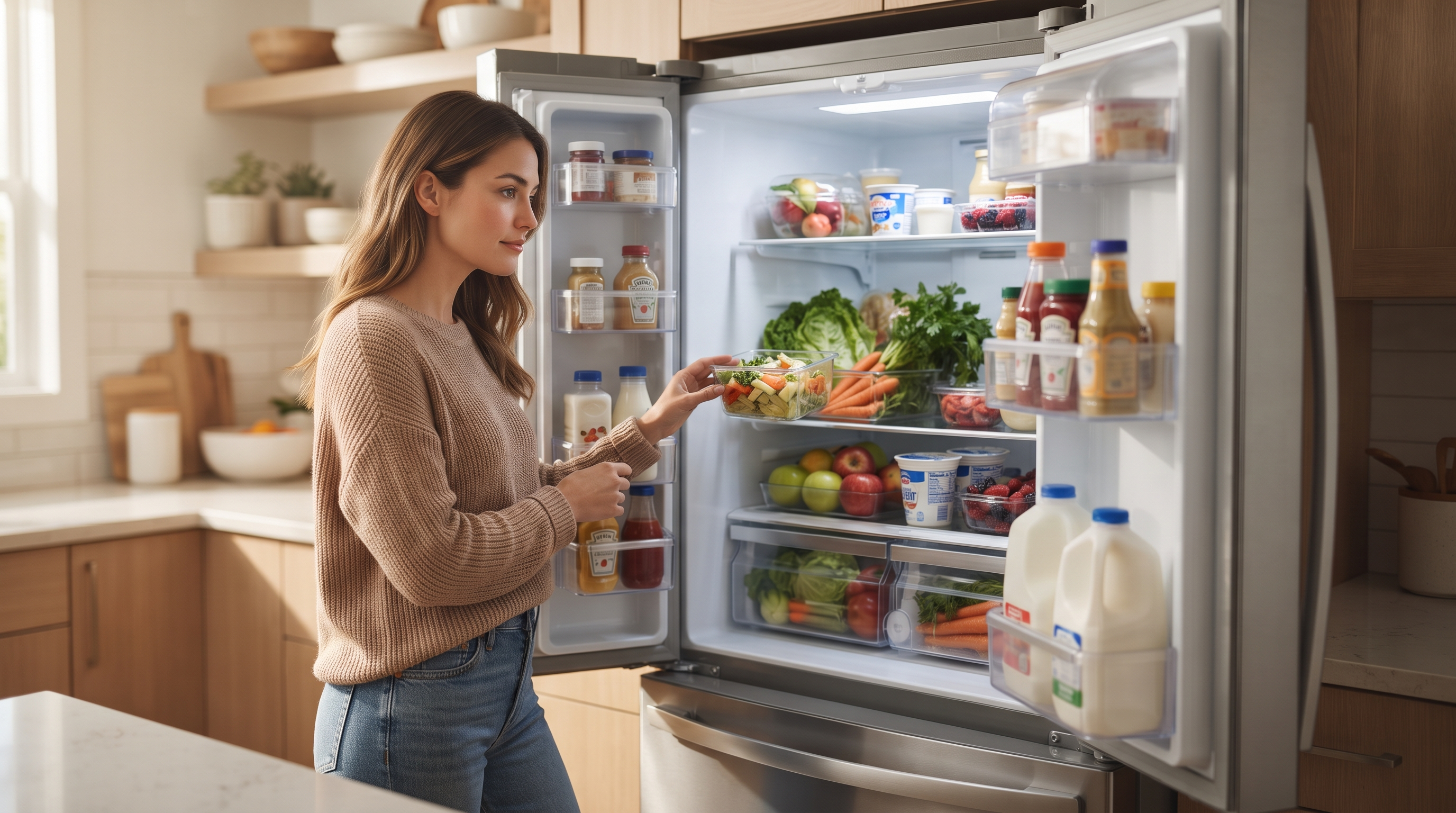
According to ReFED's food waste analysis, U.S. households waste approximately 31% of the food they purchase. Not from indifference. From losing track of what sits in the fridge and what needs to be cooked before it turns.
Table of Contents
- Where Most People Get This Wrong: The Belief That a Checklist Solves the Decision Problem
- The Checklist: When Each Feature Applies (And When to Skip It)
- Meal Checklist App vs. Fridge-Aware Suggestion Tool: A Focused Comparison
Key Takeaways
| Point | Details |
|---|---|
| Checklists organize; they don't decide | A meal checklist app tracks planned meals but still requires you to choose what goes on the list. |
| Best fit: planners, not improvisers | Checklist tools suit advance planners; they add friction for cooks working from what's available. |
| Decision fatigue is the real problem | Most people do not need more recipes. They need fewer decisions at 6 PM on a Tuesday. |
| Shared households need shared context | Any tool worth using should remember dietary rules for everyone, not just one person. |
| The next question matters more | Once you know what a checklist tool does, the real decision is whether your kitchen friction is about planning, ingredients, or inspiration. |
- Checklists help when they connect to what you already own. A checklist that starts from your actual fridge contents beats one that starts from a recipe database.
- Skip it if you plan weekly. Checklist tools shine for spontaneous, night-of cooking. Dedicated meal planners fit structured households better.
- Shared households need shared context. Any tool worth using should remember dietary rules for everyone, not just you.
- The next question matters more. Once you know what a checklist tool does, the real decision is whether your kitchen friction is about planning, ingredients, or inspiration.
What a Meal Checklist App Actually Does
A meal checklist app lets you list what you plan to cook, tick off meals as you make them, and track the ingredients each meal requires. No recipe generation, no fridge scanning, no AI suggestions. The value is organizational, not inspirational.
The core loop looks like this:
- Plan: Build a weekly grid of meals by dragging from a saved list or typing entries manually.
- Track: Check off each meal as you cook it, giving you a visual record of what got made and what got skipped.
- Repeat: Roll forward favorites into next week's plan, adjusting as needed.
Common formats fall into a few patterns:
- Weekly meal plan grids that map breakfast, lunch, and dinner across seven days
- Ingredient checklists tied to each planned meal, sometimes exportable as a shopping list
- Cook-it-next queues that prioritize meals by what needs to be used soonest
People who reach for these tools share a specific trait: they want control. They are not stuck for ideas. They have recipes they already like and need a system that holds the plan in place so they stop making the same decision repeatedly. The appeal is structure, not discovery. If your real problem is not knowing what to cook rather than not tracking what you planned, a checklist tool will feel empty almost immediately.
Where Most People Get This Wrong: The Belief That a Checklist Solves the Decision Problem
A meal checklist app solves the organization problem, not the decision problem. The list still has to come from somewhere, and that origin is where most users hit a wall. The exhausting part, standing in front of the fridge at 6 PM wondering what to cook, happens before the checklist is even relevant.
Consider a household that fills in a weekly meal plan every Sunday. By Wednesday the spinach is wilting, the chicken got moved to Friday because someone came home late, and the pasta sauce they thought they had is actually harissa. The checklist becomes a record of what did not happen. This mid-week collapse is the most common reason households abandon checklist tools within the first month. If you shop strictly to a fixed plan and never deviate, a static checklist works fine. Most households are not that household.
The real gap looks like this:
| Capability | Static checklist | Fridge-aware tool |
|---|---|---|
| Organizes chosen meals | Yes | Yes |
| Decides what to cook from what you have | No | Yes |
| Adapts when ingredients change mid-week | No | Yes |
| Remembers dietary rules without re-entry | Sometimes | Yes |
| Reduces food waste from forgotten items | Rarely | Often |
Understanding exactly which features close that gap, and which ones simply add overhead, is what the next section breaks down feature by feature.
The Checklist: When Each Feature Applies (And When to Skip It)
Each feature in a meal checklist app has a specific context where it earns its place and a context where it adds overhead. Here is how to tell the difference.
Weekly meal plan grid
- Apply when your household eats on a predictable schedule with roughly the same number of people each night.
- Skip when your week is irregular, plans shift by Wednesday, or you cook based on what is already in the fridge. A grid full of meals you never made is worse than no grid at all.
Ingredient checklist per meal
- Apply when you are cooking something unfamiliar and need to prep before you start. Knowing you need smoked paprika before you are halfway through a recipe saves real frustration.
- Skip when you are improvising from fridge contents. Checking off ingredients against a list you did not write feels like busywork. Improvisers who force themselves into this pattern tend to abandon the tool within two weeks.
Cook-it-next queue
- Apply when you batch-plan on Sunday and want a rotation ready for the week.
- Skip when decision fatigue hits mid-week and the queue starts feeling like homework. A queue only works if looking at it feels like relief, not obligation.
Shared list with household members
- Apply when multiple people cook or shop. Two parents alternating dinner duty with no shared visibility is exactly where syncing prevents duplicate purchases and missed ingredients.
- Skip when one person handles everything. Syncing with yourself is just extra taps. One exception: if a household member has a specific allergy or dietary restriction, shared lists that enforce those constraints automatically justify the added complexity even for solo cooks who shop for others.
Meal Checklist App vs. Fridge-Aware Suggestion Tool: A Focused Comparison
The clearest way to choose is to identify which problem you actually have: organizing meals you have already planned, or deciding what to cook from what you already have. These sound similar. They are not.
Checklist app (organizing what you decided)
- Input: your decisions, entered manually
- Output: an organized weekly or daily plan
- Best for: planners who enjoy choosing recipes in advance and shopping to match
- Limitation: does not reduce decision fatigue, does not flag expiring ingredients, does not adapt when plans change mid-week
Fridge-aware suggestion tool (deciding from what is there)
- Input: a photo of your fridge
- Output: three recipe suggestions based on what the tool actually sees
- Best for: improvisers, households with shifting schedules, anyone who opens the fridge at 6 PM with no plan
- Limitation: less useful if you want rigid weekly structure mapped out days in advance
FridgeAI works in the second column. It uses the Claude API to analyze a fridge photo and suggest three recipes from what you have on hand. No app store required; it installs directly from your browser as a web app. FridgeAI's pantry tracking also builds a running list of your staples over time, partially overlapping with checklist functionality without requiring manual entry of every item. If your household genuinely plans every meal on Sunday and shops accordingly, a checklist tool will feel more natural. Most households do not actually operate that way, even when they intend to.
Summary
A meal checklist app is a planning and organization tool, not a decision engine. It works when you already know what to cook and need structure to track it. When the harder problem is figuring out what to make from what you already have, especially mid-week when plans fall apart, a fridge-aware tool addresses the earlier bottleneck. For a broader look at where different tools fit, the pillar post on free meal planning apps maps the full landscape.
If the decision problem is what exhausts you, FridgeAI's free trial lets you test whether fridge-first suggestions change the experience.
Frequently Asked Questions
What is a meal checklist app and how is it different from a meal planner?
A meal checklist app tracks whether specific cooking tasks or ingredients are handled, while a meal planner maps out what you eat across a week. The checklist approach works best when you already know what you want to cook but need help staying organized. If your real problem is deciding what to cook in the first place, a tool that suggests recipes from what you have on hand will address the bottleneck a checklist never reaches.
What should I know before choosing a meal checklist app?
Most checklist tools solve for organization, not decision fatigue, and that distinction matters more than any feature list. If you spend more energy staring into the fridge than forgetting steps mid-recipe, a checklist alone will not help. Look for whether the tool connects to your actual ingredients or just offers blank fields to fill. Households with strict dietary rules benefit most from checklists that enforce those constraints automatically.
How do I get started with a meal checklist app?
Use it for three consecutive dinners before judging whether it fits. A single session tells you almost nothing about habit formation. Track what you actually check off versus what you skip. If you find yourself ignoring most items, the tool is solving a problem you do not have. Households where one person plans and another cooks often find checklist tools more valuable than solo cooks do, because the list bridges a communication gap that would otherwise require a separate conversation each evening.
Can a meal checklist app help reduce food waste?
A checklist reduces waste only when it connects what you plan to cook with what you already own. Static checklists without ingredient awareness tend to generate shopping lists that duplicate pantry items, adding cost without reducing spoilage. Tools that start from fridge visibility surface forgotten items before they expire, addressing waste more directly.
What is the best approach to using a meal checklist app alongside other tools?
Use the checklist for execution and a separate tool for inspiration. A checklist handles the tracking layer once decisions are made, while a fridge-aware suggestion tool handles the earlier, harder layer of deciding what to cook. Running both in parallel gives structured households the organization they want without losing flexibility when the week shifts.