Fridge-to-Table Cooking: Myths That Keep Home Cooks Stuck (And What Actually Works)
29 September 2026 · Updated 1 October 2026
Bust the myths blocking your fridge-to-table cooking routine. Discover what actually works to cut waste and get real meals on the table. Start cooking smarter.
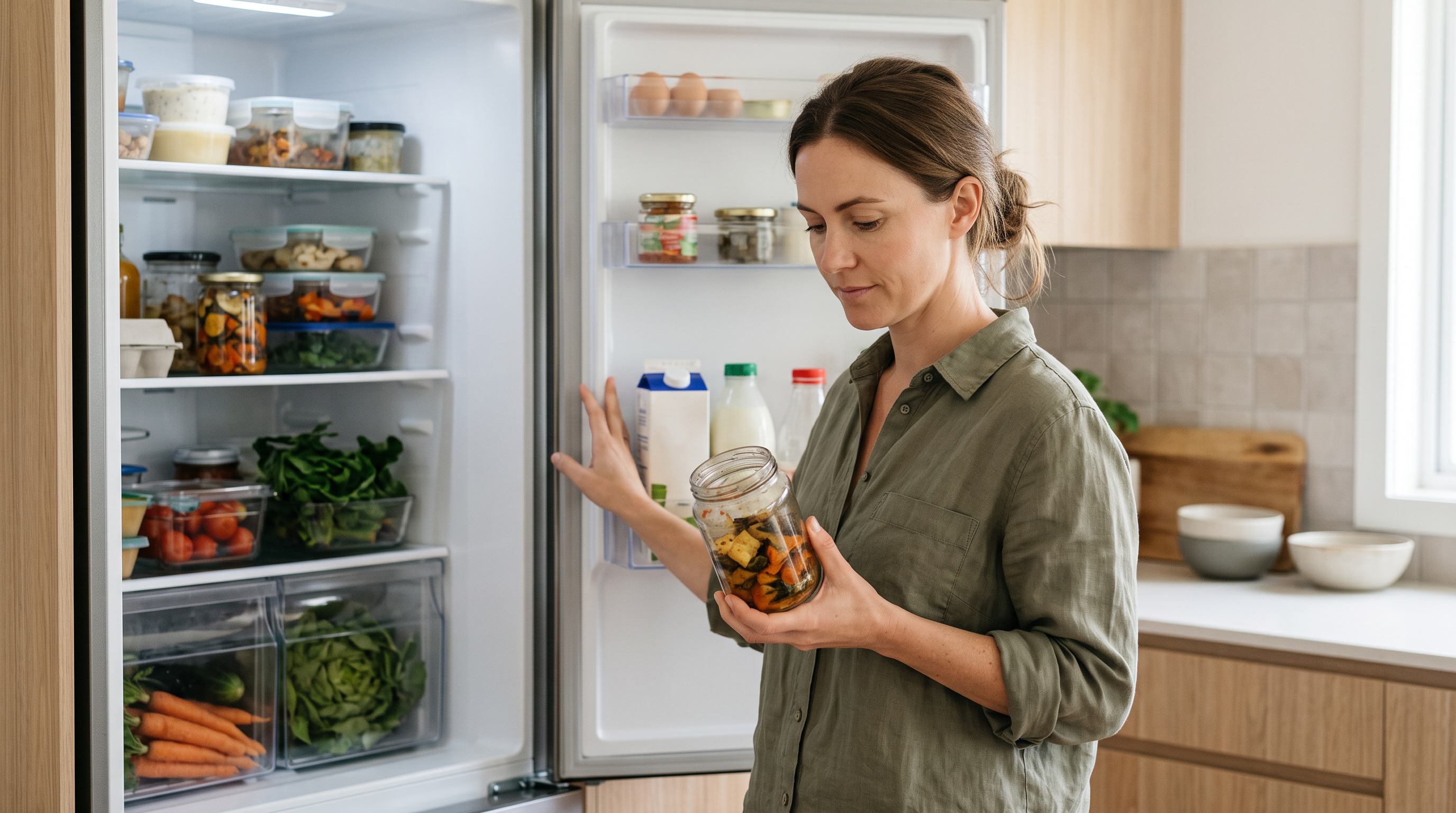
According to the UN Environment Programme, roughly one-third of all food produced globally is lost or wasted, and a significant share happens inside household fridges before anything reaches a plate. The most common mistake is not a lack of recipes. It is buying groceries with a vague plan, then forgetting what you already have until it goes soft in the crisper drawer.
Table of Contents
- What Fridge-to-Table Cooking Actually Means (And What It Doesn't Require)
- The Myth That You Need an App to Cook From Your Fridge
- Where AI and Photo Scanning Genuinely Change the Equation
- Practical Fridge-to-Table Habits That Reduce Waste and Grocery Costs
Key Takeaways
| Point | Details |
|---|---|
| Ingredient-first thinking is the core skill | Cook from what you have, not what a recipe demands. Works with or without technology. |
| Decision fatigue is the real barrier | You can cook. Deciding what to make at 6pm is the hard part. |
| Simple templates beat recipe databases | Knowing three flexible formats like frittata, grain bowl, and stir-fry resolves most fridge combinations. |
| Technology fills a specific gap | AI photo scanning helps most when your mental pattern library is empty and you need a concrete suggestion fast. |
| Habit matters more than any single tool | Building a consistent fridge-first routine reduces waste and grocery costs over time. |
What Fridge-to-Table Cooking Actually Means (And What It Doesn't Require)
Fridge-to-table cooking is the practice of building a meal from ingredients already in your kitchen, rather than choosing a recipe first and shopping for what it demands. The approach requires no special equipment, no subscriptions, and no particular skill level to begin.
The distinction matters because this approach is often confused with two related but different concepts:
- Meal planning is future-oriented. You decide on Monday what you will eat on Thursday and buy accordingly.
- Zero-waste cooking is outcome-oriented. The goal is eliminating food waste, sometimes through elaborate preservation techniques or composting systems.
Fridge-to-table cooking is neither. It lives in the present tense, at the moment you open the fridge and need to make a decision. You see a half-used tin of coconut milk, some wilting spinach, and a jar of red curry paste. That is not a problem. That is dinner.
This is how most home cooks operated for generations before supermarkets made recipe-specific shopping the default. Your grandmother did not search for fridge-to-table recipes online. She looked at what she had and figured it out. One condition where this changes: when cooking for someone with serious dietary restrictions, pure improvisation can become risky, and a bit more structure helps.
The skill is not culinary technique. It is learning to see ingredients as flexible starting points rather than fixed components of a predetermined dish. According to FridgeAI's experience, the barrier is almost always decision fatigue rather than any gap in cooking knowledge.
The Myth That You Need an App to Cook From Your Fridge
Fridge-to-table cooking does not require an app, a scanning tool, or any technology at all. The real skill is pattern recognition, and learning a handful of flexible templates that absorb almost any fridge combination works without a single download.
The myth: You need to scan your ingredients or search a database before you can figure out dinner.
The reality: Experienced home cooks operate on a simpler system. They know that eggs plus any allium plus any green equals a frittata. They know a small jar of miso transforms almost any broth into something worth eating. These are not recipes. They are structures.
Build your mental map around three or four of these templates, and most fridge combinations resolve themselves:
| Template | Core Pattern | Absorbs Almost Anything |
|---|---|---|
| Frittata | Eggs + fat + heat | Wilting greens, leftover roasted vegetables, cheese ends |
| Grain bowl | Cooked grain + sauce + toppings | Last night's rice, half an avocado, pickled anything |
| Stir-fry | Hot pan + protein + vegetables + sauce | Whatever is closest to expiring |
| Pasta with whatever | Pasta + olive oil or butter + one flavor anchor | A lonely anchovy, some capers, that parmesan rind |
Cooks who internalize even two of these templates cut their weeknight decision time significantly compared with those who search recipe databases from scratch each evening. That said, templates have a real limit. When a household has multiple conflicting dietary restrictions, mental pattern matching gets genuinely harder, and that is precisely where AI and photo scanning tools begin to earn their place.
Where AI and Photo Scanning Genuinely Change the Equation
AI cooking tools compress the decision moment rather than replace your ability to cook. The analog fridge-to-table habits covered earlier genuinely work, but they share one blind spot.
Imagine a home cook on a Thursday evening staring at half a block of tofu, some wilting kale, and a fridge door full of condiments. The templates are there in theory, but the mental bandwidth to apply them simply is not. Intuition requires energy. Some nights you do not have it.
Photo scanning addresses that specific gap. You photograph your fridge, the app identifies what is there, and you receive concrete recipe suggestions instead of a blank page. No typing ingredient lists. No scrolling recipe sites hoping something matches.
According to FridgeAI, its tool uses the Claude AI API to analyze fridge photos and suggest three recipes based on what it actually sees. Photos are processed then discarded, not stored. Over time, the tool also tracks pantry staples, so suggestions account for the olive oil and smoked paprika you always have on hand.
One condition where this changes: if your household cooks from a narrow set of cultural ingredients that mainstream AI models recognize poorly, photo scanning may misidentify items or suggest irrelevant dishes. That gap affects a meaningful share of users and is worth factoring into your decision before relying on any scanning tool heavily.
Practical Fridge-to-Table Habits That Reduce Waste and Grocery Costs
The habits that actually reduce food waste through fridge-to-table cooking are far simpler than most content makes them sound. Two myths keep people overcomplicating it.
Myth 1: You need a full fridge to cook a real meal.
Reality: most successful fridge-to-table meals are built around one or two anchor ingredients plus pantry staples. A half-used bag of spinach, some eggs, and a jar of miso can become dinner in fifteen minutes. A full fridge often means more spoilage, not more options.
What to do instead: open the fridge, identify your anchor (a protein, a grain, or a vegetable), and build outward from there.
Myth 2: Reducing food waste requires strict meal planning.
Reality: rigid weekly plans frequently increase waste because Tuesday never goes the way you planned it on Sunday. One condition where this changes: households with very predictable schedules and no dietary variation can benefit from structured plans, but most families do not live that way.
What to do instead: cook with a loose framework. Keep your pantry stocked with flavor-builders like soy sauce, tinned tomatoes, smoked paprika, and dried herbs. Know two or three flexible templates and rotate your anchors through them.
Analog habits vs. app-assisted tracking: both approaches work. The real question is which friction you prefer to carry. Writing a whiteboard list of what needs using up costs nothing. A tool like FridgeAI, which analyzes fridge photos through the Claude AI API, removes the identification step entirely.
Summary
Fridge-to-table cooking is a skill you build with your hands and your instincts, not a dependency you outsource to software. The myths that keep home cooks stuck are almost always about permission, not ability. Start this week with one flexible template: a protein, a vegetable, a sauce. When decision fatigue hits and you want a second opinion, tools like FridgeAI can layer photo scanning and suggestions on top of that analog confidence.
Our pillar post on the fridge-to-table cooking framework covers the full methodology if you want to go deeper on building this habit from scratch.
Frequently Asked Questions
What does fridge-to-table cooking mean?
Fridge-to-table cooking means making a meal from ingredients already in your fridge and pantry, skipping the recipe-first, shop-second cycle. The approach flips the usual order: you look at what you have, then decide what to cook. According to FridgeAI's experience, this shift alone reduces both food waste and the mental load most people associate with weeknight cooking.
How do I start cooking meals using only what is in my fridge?
Start by actually looking at what you have before opening a recipe site. Pull everything perishable onto the counter so nothing hides behind the milk. Group items by what cooks together: proteins, vegetables, sauces. Then pick a simple format like stir-fry, frittata, or grain bowl and fill it with what is in front of you. One condition where this changes: if your fridge holds only condiments, you need a quick shop for one or two anchoring ingredients before any template will hold together.
Is there an app that helps with fridge-to-table cooking?
Yes, several apps now support cooking from what you already own. According to FridgeAI, its tool uses the Claude AI API to analyze a photo of your fridge and suggest three recipes based on what it actually sees. It also tracks pantry staples and remembers dietary requirements across your household. Some tools take typed ingredient lists instead, and neither approach is inherently better for every household.
What are easy fridge-to-table meal ideas for beginners?
Eggs with whatever vegetables you have is the simplest starting point. A frittata absorbs nearly anything: wilting spinach, half a bell pepper, leftover roasted potatoes. Fried rice works the same way with day-old rice and small amounts of protein. Quesadillas stretch a single tortilla into a meal with cheese and scraps. These formats are forgiving enough that proportions barely matter, which is why they suit beginners still building confidence with ingredient-first cooking.
How does AI help with fridge-to-table cooking decisions?
AI removes the gap between seeing ingredients and knowing what to make with them. Photo scanning tools identify what is on your shelves, then match those items against recipe logic that accounts for flavor pairing, cook time, and dietary constraints. Based on FridgeAI's experience, this is most valuable on high-fatigue evenings when a cook has the skill to execute a meal but lacks the mental energy to design one from scratch. One condition where this changes: if you already cook intuitively and enjoy improvising, AI adds less value than it does for someone stuck in decision fatigue every evening.